Livingston County Jail Inmate Search
This site is not owned or operated by any state government agency, read more.
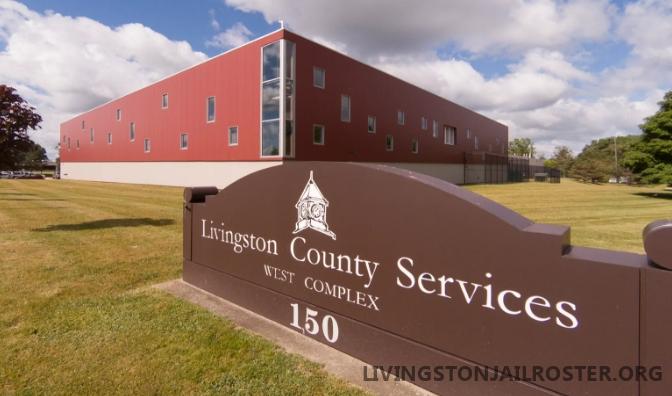
Livingston County Jail, also known as the Livingston County Correctional Facility, is a medium-security detention center located in Howell, Michigan. The facility is operated by the Livingston County Sheriff’s Office and houses adult offenders awaiting trial, sentencing, or transfer to state prison.
The jail also holds inmates serving short-term sentences for misdemeanors and certain felonies. The jail serves the communities of Livingston County, including the cities of Howell, Brighton, Genoa Township, Hamburg Township, Hartland Township, and Marion Township.
Livingston County Jail Inmate Lookup
Inmates can be searched using the Livingston County Sheriff’s Office online inmate search portal. Here you can search for an offender by Last Name, First Name, or Booking Number. Additional information, such as the offender’s arrest date, charges, bond amount, and court date, may also be available.
To conduct an inmate search:
-
Visit the Livingston County Sheriff’s Office website.
-
Click on the “Inmate Search” link under the “Jail” tab.
-
Enter the offender’s Last Name, First Name, or Booking Number in the search field.
-
Click the “Search” button.
-
A list of inmates matching the search criteria will be displayed.
Jail Roster
The jail roster is a list of all the inmates currently incarcerated in the jail. This list is updated daily and is available to the public. The jail roster can be found on the Livingston County Sheriff’s Office website. The roster includes the following information:
-
Booking Number
-
Last Name
-
First Name
-
Date of Birth
-
Release Date
-
Criminal Charges
The jail roster can be used to locate an offender, check on their status, or find out when they are scheduled to be released.
Inmate Calls
Inmate Call System
The Livingston County Jail uses Securus Technologies for its inmate phone calls and call system. Securus provides inmates with access to phones that allow them to make outgoing calls to friends, family, and attorneys. Inmates are not allowed to receive incoming calls.
Regulations and Guidelines for Use
-
Inmates are only allowed to make calls during designated times.
-
Calls are limited to 15 minutes in length.
-
Inmates are charged a per-minute rate for all calls.
-
Three-way calling and call forwarding are not allowed.
-
Inmates are not allowed to call 911 or other emergency numbers.
-
All calls are recorded and monitored by jail staff.
How to Call an Inmate
To call an inmate at the Livingston County Jail, you will need to:
-
Create a Securus account.
-
Add the inmate to your contact list.
-
Purchase a calling card or add money to your account.
-
Dial the Securus toll-free number,
1-800-844-6591. -
Follow the prompts to connect to the inmate.
Can Inmates Receive Calls at Livingston County Jail?
No, inmates at the Livingston County Jail cannot receive incoming calls.
Inmate Messaging
Inmates at the Livingston County Jail are not allowed to receive or send voice or text messages.
Jail’s Phone Number
The Livingston County Jail’s phone number is (517)
Detainee Mail
Sending Mail to an Inmate
To send mail to an inmate at the Livingston County Jail, you will need to use the following address:
Inmate's Name
Livingston County Jail
300 E. Grand River Ave.
Howell, MI 48843
Guidelines for Sending Mail to Inmates
-
All mail must be addressed to the inmate by their full name and booking number.
-
Inmates are not allowed to receive mail that contains:
-
Contraband
-
Money
-
Stamps
-
Food
-
Medications
-
Pornography
-
Gang-related materials
-
Threatening or harassing materials
-
Legal documents
-
-
All mail is opened and inspected by jail staff before it is delivered to inmates.
Sending Care Packages to Inmates
Care packages are not allowed at the Livingston County Jail.
Sending Money to Inmates
Methods for Sending Money to Inmates
There are two ways to send money to an inmate at the Livingston County Jail:
-
Online: You can send money online through the Securus website or mobile app.
-
In-person: You can deposit money into an inmate’s account at the jail’s lobby kiosk.
Regulations and Limitations for Sending Money
-
The maximum amount of money that an inmate can receive in a single transaction is $200.
-
Inmates are not allowed to have more than $200 in their account at any given time.
-
Money sent to an inmate cannot be used to purchase food, clothing, or other personal items from the jail commissary.
Jail’s Mailing Address
Livingston County Jail 300 E. Grand River Ave. Howell, MI 48843
Jail’s Phone Number
(517)
Visitation
Procedure for Arranging a Visit
-
Contact the jail. You can call the jail at (517)
546-2445 to inquire about visitation hours and procedures. -
Schedule a visit. Once you know the visitation hours, you can schedule a visit by calling the jail or visiting the jail’s website.
-
Arrive at the jail on time for your visit. You will need to bring a valid photo ID and any other required documentation.
-
Go through the security screening process. You will be required to go through a metal detector and have your belongings searched.
-
Meet with the inmate in the visitation area. Visits are typically held in a common area where inmates and visitors can talk face-to-face.
Rules and Regulations for Visits
-
All visitors must be at least 18 years old.
-
Visitors aged 17 and under must be accompanied by a parent or guardian.
-
Visitors are not allowed to bring any contraband into the jail.
-
Visitors are not allowed to touch or kiss inmates.
-
Visitors are not allowed to discuss illegal activities with inmates.
-
Visitors are not allowed to give inmates money or other items.
-
Visitors who violate any of the rules and regulations may be asked to leave the jail and may be denied future visits.
Visitation Hours
-
General Population:
-
Weekdays: 7:00 AM — 9:00 PM
-
Weekends and Holidays: 8:00 AM — 2:00 PM
-
Special Housing Unit:
-
Weekdays: 1:00 PM — 3:00 PM
-
Weekends and Holidays: 8:00 AM — 2:00 PM
Video Visitation
The Livingston County Jail offers video visitation for inmates who are housed in the Special Housing Unit. Video visits can be scheduled by calling the jail at (517)
To use video visitation:
-
Create a Securus account.
-
Add the inmate to your contact list.
-
Purchase a video visit.
-
Schedule a video visit.
-
On the day of your visit, go to the jail’s video visitation center.
-
Log in to your Securus account and connect to the inmate’s video call.
Inmate Commissary
The commissary is a store where inmates can purchase a variety of items, including food, clothing, hygiene products, and writing supplies. The commissary is operated by a private company and the prices of items are typically higher than what you would find at a regular store.
How Inmates Can Use the Commissary
Inmates can use their own money to purchase items from the commissary. They can also receive money from friends and family members, which can be deposited into their commissary account.
Restrictions on Commissary Use
There are some restrictions on what inmates can purchase from the commissary. For example, inmates are not allowed to purchase items that are considered to be contraband, such as weapons or drugs. Inmates are also not allowed to purchase items that could be used to harm themselves or others.
Release Information
Inmates are typically released from jail after they have served their sentence or have been granted a release by the court. Inmates may also be released if they are found not guilty of the charges against them or if their case is dismissed.
Who Can Be Released
Inmates who are eligible for release may be released on their own recognizance, on bail, or on probation. Inmates who are not eligible for release will be transferred to a state prison to serve their sentence.
How to Get Inmate Release Information
To get inmate release information, you can contact the Livingston County Jail at (517)
Security Level and Jail Staff
The Livingston County Jail is a medium-security facility. This means that the jail has a variety of security measures in place to prevent inmates from escaping or harming themselves or others. These security measures include:
-
Secure doors and windows
-
Security cameras
-
Metal detectors
-
Armed guards
Categories of Offenders Housed
The Livingston County Jail houses a variety of offenders, including:
-
Pre-trial detainees
-
Convicted offenders serving short-term sentences
-
Offenders awaiting transfer to state prison
Role of Correctional Officers
Correctional officers are responsible for the safety and security of the jail. They also supervise inmates and enforce the jail’s rules and regulations.
Correctional Staff
The Livingston County Jail is staffed by a team of correctional officers and other support staff. The correctional officers are responsible for the day-to-day operations of the jail, while the support staff provides services such as food service, medical care, and mental health counseling.
Location and Contact Details
Official Address
150 South Highlander Way, Howell, MI, 48843
Official Phone Number
Official Website
Howell, MI
Frequently Asked Questions
How can I find out if someone is currently incarcerated?
To determine if someone is currently incarcerated, you can use various online resources and databases provided by state or federal corrections departments. Follow these steps:
-
Identify the jurisdiction: Know if the person might be in a state, federal, or county facility.
-
Use online inmate locators: Most state correctional departments and the Federal Bureau of Prisons have online inmate locators where you can search using the individual’s name, date of birth, or inmate ID.
-
Contact the facility: If online search is inconclusive, directly call the facility where you believe the person is held.
What information do I need to conduct an inmate search?
To conduct an inmate search effectively, you should have as much of the following information as possible:
-
Full name of the inmate, including any middle names or initials.
-
Date of birth to distinguish between individuals with the same name.
-
Inmate ID number (if known), which can directly locate the record.
-
State or facility where the person is believed to be incarcerated, to narrow down the search to specific jurisdictions or facilities.
Arrest Lookup
How do I find arrest records for an individual?
Arrest records can be found through:
-
Online public record databases: Websites like PACER (for federal cases) and state or county court websites often allow you to search for arrest records.
-
Local law enforcement agencies: The police department or sheriff’s office that made the arrest may provide records upon request.
-
Third-party websites: There are various online services that aggregate public records, including arrest information, which can be searched for a fee.
Are there any restrictions on accessing someone’s arrest information?
Yes, there are restrictions that vary by jurisdiction:
-
Privacy laws: Some states have laws protecting the privacy of individuals, especially for arrests that did not lead to a conviction.
-
Juvenile records: Records of arrests for individuals under a certain age (usually 18) are often sealed.
-
Expunged or sealed records: Arrests that have been legally expunged or sealed are not accessible to the public.
Active Warrant Search
How can I check if there is an active warrant for someone?
To check for an active warrant:
-
Visit the local sheriff’s office or court website: Many jurisdictions have online databases where you can search for active warrants.
-
Use state-specific online search tools: Some states provide online resources to search statewide for active warrants.
-
Contact a law enforcement agency: Law enforcement can inform you if there is an active warrant, but they might require personal information or the purpose of your inquiry.
Is there a way to perform an anonymous warrant search?
Yes, several methods allow for an anonymous warrant search:
-
Third-party websites: These sites compile public records, including warrant information, and do not typically require users to identify themselves.
-
Using public access terminals: Some courthouses provide terminals where you can search court records, including warrants, without providing your identity.
Jail Bookings
Where can I find recent jail booking information?
Recent jail booking information can often be found on:
-
County Sheriff’s websites: Many sheriff’s offices publish daily or weekly booking logs online.
-
Local news websites: Some news outlets provide summaries of recent bookings in their crime sections.
Can I access jail booking records online?
Yes, in many jurisdictions, you can access jail booking records online through:
-
County jail websites: These often include searchable databases with recent bookings.
-
Public records search portals: Some government or third-party websites offer access to jail booking records among other public records.
Mugshots
Are mugshots publicly accessible, and how can I view them?
Mugshots are publicly accessible in many jurisdictions and can be viewed through:
-
Law enforcement or jail websites: Some agencies publish mugshots online as part of booking records.
-
Public records requests: You can formally request access to booking photos from the relevant law enforcement agency.
-
Third-party websites: Websites that aggregate criminal records and booking information often include mugshots.
What legal considerations exist for using or sharing mugshots?
Legal considerations include:
-
Privacy rights: Sharing someone’s mugshot without their consent can raise privacy issues, especially if the charges were dropped or the person was acquitted.
-
State laws: Some states have laws restricting the publication of mugshots or requiring their removal under certain conditions.
-
Defamation and harassment: Using mugshots to harass or defame someone can lead to legal consequences.
Inmate Calls
How can I receive calls from an inmate?
To receive calls from an inmate, you typically need to:
-
Be on the inmate’s approved call list, which requires providing your name and phone number to the facility.
-
Set up a prepaid account through the facility’s phone service provider, or accept collect calls, depending on the prison’s phone system.
What are the costs associated with inmate calls, and how can they be paid?
Costs vary widely but can include:
-
Per-minute charges for both collect and prepaid calls, which are often higher than standard rates.
-
Connection fees for each call made.
-
Payments can be made by setting up an account with the prison’s telecommunications provider and funding it online, by phone, or through some convenience stores.
Inmate Mail
What are the guidelines for sending mail to an inmate?
Guidelines typically include:
-
Use the inmate’s full name and ID number on the envelope.
-
Follow the facility’s rules on acceptable content and items (photos, books, etc.), which can usually be found on its website.
-
Avoid sending prohibited items, such as cash, explicit materials, or contraband.
Are there any restrictions on what can be sent to inmates?
Yes, common restrictions include:
-
No contraband: Drugs, weapons, or any illegal items.
-
Limitations on content: Some facilities screen for content that could threaten security, like escape plans or explicit materials.
-
Approval required for packages: Books and magazines may need to come directly from the publisher or an approved vendor.
Visitation
How do I schedule a visitation with an inmate?
To schedule a visitation:
-
Check the facility’s visitation policy: This can typically be found on its website.
-
Register as a visitor: This may involve filling out a form and providing identification.
-
Schedule your visit: Depending on the facility, you may need to schedule your visit in advance, either online, by phone, or in person.
What are the identification requirements for visiting an inmate?
Requirements vary but generally include:
-
Valid photo ID: Such as a driver’s license, passport, or state ID.
-
Verification of relationship: For certain inmates or types of visits.
-
Background check: Some facilities conduct background checks on visitors.
Sending Money
What options are available for sending money to an inmate?
Options include:
-
Electronic transfer: Via services like JPay or MoneyGram.
-
Money orders: Sent directly to the facility.
-
Facility kiosks: Available in some lobbies for depositing cash or using a credit card.
Are there limits on the amount of money that can be sent to an inmate?
Yes, facilities often impose limits such as:
-
Maximum per transaction: A limit on the amount you can send at one time.
-
Monthly or weekly limits: Restrictions on the total amount an inmate can receive within a certain period.
Posting Bond
How can I post bond for someone?
To post bond:
-
Determine the bond amount: This is usually set during a bail hearing.
-
Choose a payment method: Cash, property, or through a bail bondsman.
-
Complete the transaction: At the courthouse or jail, following their specific procedures.
What happens to the bond money after the court case is concluded?
The outcome depends on the case result and bond type:
-
Refundable bonds: Cash bonds are typically returned (minus administrative fees) if the defendant complies with all court requirements.
-
Non-refundable: Payments made through bondsmen are not returned, as these are fees for their service.
Release
How can I find out the release date of an inmate?
Release dates can often be found by:
-
Contacting the facility directly: Either by phone or through their website.
-
Using online inmate locators: Some jurisdictions provide release dates in their public databases.
What process is followed when an inmate is released?
The release process typically includes:
-
Processing paperwork: Finalizing the inmate’s discharge papers.
-
Returning personal belongings: Items collected at booking are returned.
-
Providing transportation: Some facilities offer transportation to a local transit center.
Legal Assistance for Inmates
What legal resources are available to inmates?
Legal resources include:
-
Public defenders: For those who cannot afford private counsel.
-
Legal aid societies: Non-profit organizations that provide free legal assistance.
-
Library access: Many institutions have law libraries for inmates to conduct legal research.
How can an inmate obtain a lawyer?
Inmates can obtain a lawyer by:
-
Requesting a public defender: If eligible, during their first court appearance.
-
Hiring a private attorney: Families can arrange this on behalf of the inmate.
-
Seeking legal aid: Through non-profit organizations that assist inmates.
Medical Assistance for Inmates
What healthcare services are provided to inmates?
Inmates have access to:
-
Basic healthcare: Including medical, dental, and mental health services.
-
Emergency care: Immediate treatment for acute conditions or injuries.
-
Ongoing treatment: For chronic conditions, subject to the facility’s capabilities.
How can an inmate request medical assistance?
Inmates can request medical assistance by:
-
Submitting a request form: Often available in housing units.
-
Speaking to staff: In case of emergencies or urgent needs.
-
Through routine screenings: Conducted by the facility’s medical staff.
Criminal Records Lookup
How can I obtain a copy of someone’s criminal record?
To obtain a criminal record, you can:
-
Request from state repositories: Most states have a central repository for criminal records.
-
Use online public record databases: Some information may be available through government or third-party websites.
-
Visit local courthouses: Records of convictions may be accessible through the clerk’s office.
Are there any restrictions on who can access criminal records?
Yes, access may be restricted based on:
-
The nature of the record: Some states seal or expunge certain records.
-
The requester’s purpose: Employment background checks may require the subject’s consent.
-
State laws: Which vary widely in terms of public access to criminal records.
Sex Offender Registry
How can I access the sex offender registry?
The sex offender registry can be accessed through:
-
National databases: The National Sex Offender Public Website (NSOPW) allows searches across various jurisdictions.
-
State and local registries: Often available on state or local law enforcement websites.
What information is included in the sex offender registry?
The registry typically includes:
-
Offender’s name and photo
-
Conviction details
-
Current address
-
Compliance status
Background Check
What types of background checks are available?
Background checks can vary widely, including:
-
Criminal history checks
-
Employment verification
-
Credit checks
-
Educational verification
How can I request a background check on someone?
To request a background check:
-
Use a reputable background check service: Many online services offer comprehensive checks for a fee.
-
Request directly from specific institutions: For education or employment verification.
-
Consent: Note that accessing certain information may require the subject’s consent.